
I finally tried Cheesemaking At Home and ended up with a tangy, crumbly feta that makes grocery-store blocks taste like cardboard.

I am obsessed with making feta, plain and brutal. I love the snap when you crumble salty feta over tomatoes, and the tart wrongness that somehow makes everything sing.
I brag about Cheesemaking At Home like it’s a secret weapon. People ask How To Make Cheese and I just grin.
The tang actually comes from real whole milk and the punch from cheese salt, nothing fake. But it’s the texture that hooks me.
The tiny curd grit, the brine-slick shards. I want you to bite it and shut up.
Seriously. That’s why I keep going back.
Every time, no regrets
Ingredients
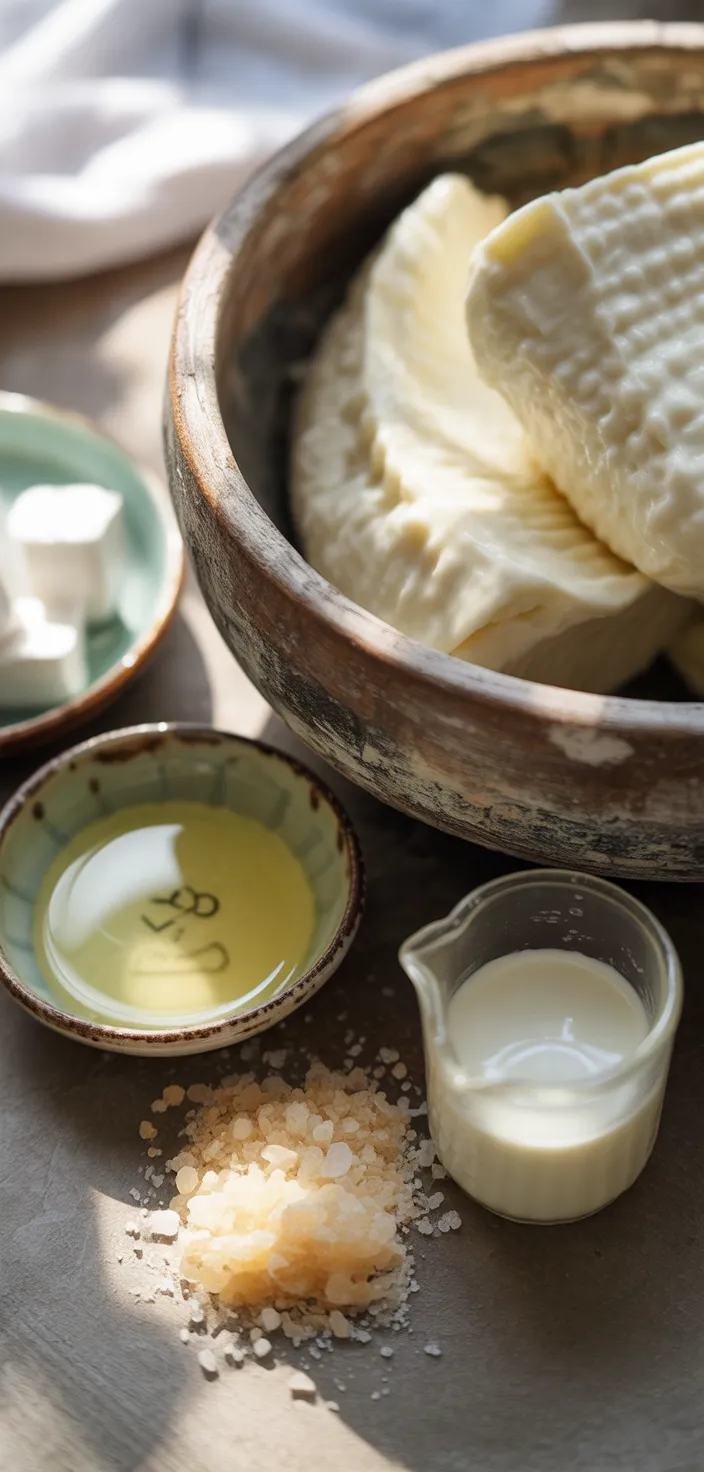
- Whole milk gives creamy body and real dairy flavor; sheep or goat adds tang.
- Basically the starter kickstarts fermentation, creates curd structure and gentle tang.
- Rennet firms the curds so cheese sets; it’s what turns milk into cheese.
- Plus calcium chloride helps pasteurized milk set properly and fixes weak curds.
- Lipase adds punchy, sheepy tang; optional if you want bolder, gamier flavor.
- Cheese salt seasons, tightens texture and helps preserve that bright, clean feta.
- Brine preserves, seasons and softens feta while it ages; gives salty, tangy bite.
Ingredient Quantities
- 1 gallon whole milk (preferably sheep or goat milk; if using store milk, do NOT use ultra pasteurized)
- 1/4 teaspoon mesophilic starter culture (eg MA11 or similar)
- 1/4 teaspoon liquid rennet or 1/4 rennet tablet, diluted in 1/4 cup cool non chlorinated water
- 1/4 teaspoon calcium chloride, diluted in 1/4 cup cool water (only if using pasteurized store bought milk)
- 2 teaspoons lipase powder dissolved in 1 tablespoon water (optional, for a tangier, more “sheepy” flavor)
- 2 tablespoons non iodized cheese salt (for salting the curds)
- For the brine: 1 quart cool water and 1/2 cup non iodized salt (to make the brine the feta will age in)
How to Make this
1. Heat 1 gallon whole milk to 86°F in a large pot, stirring gently so it does not scorch. If you used store milk, dissolve 1/4 teaspoon calcium chloride in 1/4 cup cool water and stir that in now.
2. Sprinkle 1/4 teaspoon mesophilic starter culture evenly over the milk surface, let sit 1 minute to rehydrate, then stir it in gently for 1 minute. If you want a tangier, sheepy flavor, add 2 teaspoons lipase powder dissolved in 1 tablespoon water now.
3. Let the milk ripen 45 minutes at 86°F. Keep the pot covered and stable; don’t let the temperature wander much.
4. Dilute 1/4 teaspoon liquid rennet (or 1/4 rennet tablet dissolved) in 1/4 cup cool non chlorinated water. Stir the diluted rennet into the milk with one gentle up-and-down motion, then stop stirring.
5. Let the milk set undisturbed 45 to 60 minutes at 86°F until you get a clean break when you test with a knife or spoon. It might be a little soft, that is ok.
6. Cut the curd into 1/2 inch cubes, let rest 5 minutes, then slowly raise temperature to 95°F over 20 to 30 minutes while gently stirring to keep curds separate.
7. Once at 95°F, continue gentle stirring for 20 minutes so curds firm up. Then allow curds to settle for 5 to 10 minutes.
8. Ladle curds into a cheesecloth-lined colander, drain whey for about 4 to 6 hours at room temperature or until whey mostly stops dripping. Tie the cloth and hang or press lightly to remove more whey if you want a denser curd.
9. Transfer drained curds to a bowl, sprinkle and mix in 2 tablespoons non iodized cheese salt, taste and adjust if needed. Pack the salted curds into a mold or container in even layers, pressing down to remove air pockets. Refrigerate overnight.
10. Make brine by dissolving 1/2 cup non iodized salt in 1 quart cool water. Place the feta blocks in the brine and store in the fridge for at least 5 days for flavor and texture to develop; longer (2 to 4 weeks) gives better flavor. Keep submerged and use within a few months.
Equipment Needed
1. Large heavy pot (1.5 to 2 gallon) for heating the milk
2. Instant read or dairy thermometer to keep milk at 86°F and 95°F
3. Long handled spoon or heatproof spatula for gentle stirring
4. Measuring spoons and 1/4 cup measuring cup for rennet/calcium and culture water
5. Small bowl or cup to dissolve rennet, calcium chloride and lipase in water
6. Chef’s knife or long thin knife to test for a clean break and to cut curds into 1/2 inch cubes
7. Slotted spoon or small ladle to lift curds out of whey
8. Colander and several layers of cheesecloth or butter muslin to drain curds
9. Mold or small food-safe container for packing the curds, plus a weight or light press if you want firmer cheese
10. Bowl for salting and mixing curds and a container to hold the brine and age the feta in the fridge
FAQ
Feta Cheese From Scratch Recipe Substitutions and Variations
- 1 gallon whole milk — substitutions:
- Raw sheep or goat milk if you can get it, for richer flavor and more authentic texture
- Mix 3/4 whole cow milk with 1/4 cream to mimic higher fat sheep milk
- Half-and-half plus water (2 parts half-and-half to 1 part water) in a pinch, but curd will be richer and softer
- 1/4 teaspoon mesophilic starter culture — substitutions:
- Buttermilk (2 tablespoons per gallon) as a crude starter, works but less predictable
- Yogurt (plain, live cultures; 2 tablespoons per gallon) for mild acidification, again less reliable
- Frozen mesophilic culture packets labeled for soft cheeses, use equivalent dose per packet instructions
- 1/4 teaspoon liquid rennet or 1/4 rennet tablet — substitutions:
- Vegetarian rennet (microbial or fermentation produced) at the equivalent strength, good for rennet-free diets
- Fresh calf rennet if you can source it, treat like animal rennet but check strength and adjust dose
- If absolutely necessary use 1/4 cup very strong lemon juice or vinegar to make a quick acid-set cheese, but it will not be true feta in texture or aging ability
- 2 teaspoons lipase powder (optional) — substitutions:
- Half the amount of goat or sheep milk added to cow milk can boost “sheepy” flavor without lipase
- A few drops of commercial cheese flavor concentrate or “goat cheese flavor” products, used very sparingly
- Omit entirely; feta will be milder but still good, especially if you use sheep or goat milk to start with
Pro Tips
– Keep the temp steady. Feta really hates big swings, so use a thermometer and heat slowly. If your stovetop is jumpy, take the pot off the heat and stir to maintain temp instead of blasting the burner. Little changes over minutes are fine, big swings mess with texture.
– Don’t over-stir after you add the rennet. Give it one gentle stir, set a timer, and leave it alone. Poking at the curd while it sets will make a weaker, grainy curd and you’ll end up with a crumbly mess instead of a nice block.
– Drain patience matters more than heavy pressing. Let the curds drain mostly on their own for several hours then do a light press or hang briefly if you want denser feta. Over-pressing makes it dry and chalky. If it’s too salty after brining, switch to a weaker brine next time.
– Use fresh starter and rennet, and dilute the rennet in cool, non-chlorinated water. Old culture or too-strong rennet will give odd flavors or a bad set. If you use store-bought pasteurized milk, add the calcium chloride exactly when called for — it helps the curd form like it would with raw milk.
Feta Cheese From Scratch Recipe
I finally tried Cheesemaking At Home and ended up with a tangy, crumbly feta that makes grocery-store blocks taste like cardboard.
8
servings
150
kcal
Equipment: 1. Large heavy pot (1.5 to 2 gallon) for heating the milk
2. Instant read or dairy thermometer to keep milk at 86°F and 95°F
3. Long handled spoon or heatproof spatula for gentle stirring
4. Measuring spoons and 1/4 cup measuring cup for rennet/calcium and culture water
5. Small bowl or cup to dissolve rennet, calcium chloride and lipase in water
6. Chef’s knife or long thin knife to test for a clean break and to cut curds into 1/2 inch cubes
7. Slotted spoon or small ladle to lift curds out of whey
8. Colander and several layers of cheesecloth or butter muslin to drain curds
9. Mold or small food-safe container for packing the curds, plus a weight or light press if you want firmer cheese
10. Bowl for salting and mixing curds and a container to hold the brine and age the feta in the fridge
Ingredients
-
1 gallon whole milk (preferably sheep or goat milk; if using store milk, do NOT use ultra pasteurized)
-
1/4 teaspoon mesophilic starter culture (eg MA11 or similar)
-
1/4 teaspoon liquid rennet or 1/4 rennet tablet, diluted in 1/4 cup cool non chlorinated water
-
1/4 teaspoon calcium chloride, diluted in 1/4 cup cool water (only if using pasteurized store bought milk)
-
2 teaspoons lipase powder dissolved in 1 tablespoon water (optional, for a tangier, more "sheepy" flavor)
-
2 tablespoons non iodized cheese salt (for salting the curds)
-
For the brine: 1 quart cool water and 1/2 cup non iodized salt (to make the brine the feta will age in)
Directions
- Heat 1 gallon whole milk to 86°F in a large pot, stirring gently so it does not scorch. If you used store milk, dissolve 1/4 teaspoon calcium chloride in 1/4 cup cool water and stir that in now.
- Sprinkle 1/4 teaspoon mesophilic starter culture evenly over the milk surface, let sit 1 minute to rehydrate, then stir it in gently for 1 minute. If you want a tangier, sheepy flavor, add 2 teaspoons lipase powder dissolved in 1 tablespoon water now.
- Let the milk ripen 45 minutes at 86°F. Keep the pot covered and stable; don’t let the temperature wander much.
- Dilute 1/4 teaspoon liquid rennet (or 1/4 rennet tablet dissolved) in 1/4 cup cool non chlorinated water. Stir the diluted rennet into the milk with one gentle up-and-down motion, then stop stirring.
- Let the milk set undisturbed 45 to 60 minutes at 86°F until you get a clean break when you test with a knife or spoon. It might be a little soft, that is ok.
- Cut the curd into 1/2 inch cubes, let rest 5 minutes, then slowly raise temperature to 95°F over 20 to 30 minutes while gently stirring to keep curds separate.
- Once at 95°F, continue gentle stirring for 20 minutes so curds firm up. Then allow curds to settle for 5 to 10 minutes.
- Ladle curds into a cheesecloth-lined colander, drain whey for about 4 to 6 hours at room temperature or until whey mostly stops dripping. Tie the cloth and hang or press lightly to remove more whey if you want a denser curd.
- Transfer drained curds to a bowl, sprinkle and mix in 2 tablespoons non iodized cheese salt, taste and adjust if needed. Pack the salted curds into a mold or container in even layers, pressing down to remove air pockets. Refrigerate overnight.
- Make brine by dissolving 1/2 cup non iodized salt in 1 quart cool water. Place the feta blocks in the brine and store in the fridge for at least 5 days for flavor and texture to develop; longer (2 to 4 weeks) gives better flavor. Keep submerged and use within a few months.
Notes
- Below you’ll find my best estimate of this recipe’s nutrition facts. Treat the numbers as a guide rather than a rule—great food should nourish both body and spirit. Figures are approximate, and the website owner assumes no liability for any inaccuracies in this recipe.
Nutrition Facts
- Serving Size: 57g
- Total number of serves: 8
- Calories: 150kcal
- Fat: 12g
- Saturated Fat: 8g
- Trans Fat: 0.2g
- Polyunsaturated: 0.3g
- Monounsaturated: 3.5g
- Cholesterol: 45mg
- Sodium: 630mg
- Potassium: 100mg
- Carbohydrates: 1g
- Fiber: 0g
- Sugar: 1g
- Protein: 8g
- Vitamin A: 600IU
- Vitamin C: 0mg
- Calcium: 280mg
- Iron: 0.2mg