
I made Havarti at home and after two months of aging it emerged as a silky, subtly tangy cheese that slices and melts with a richness that refuses to stay in the fridge without being devoured.

I’m obsessed with havarti for its buttery, slightly tangy rhythm that folds into bread and melts into everything. I love that creamy stretch when a slice meets heat, the tiny irregular eyes that hide soft pockets of flavor.
I crave it plain on a knife, on a rustic sandwich, and shredded over late-night snacks. Using whole cow milk and non iodized cheese salt makes it feel honest and real, not manufactured.
And aging it changes the personality, gentler, more complex, quietly assertive. It’s not just cheese.
It’s the kind of everyday luxury I hoard in my fridge every single week.
Ingredients
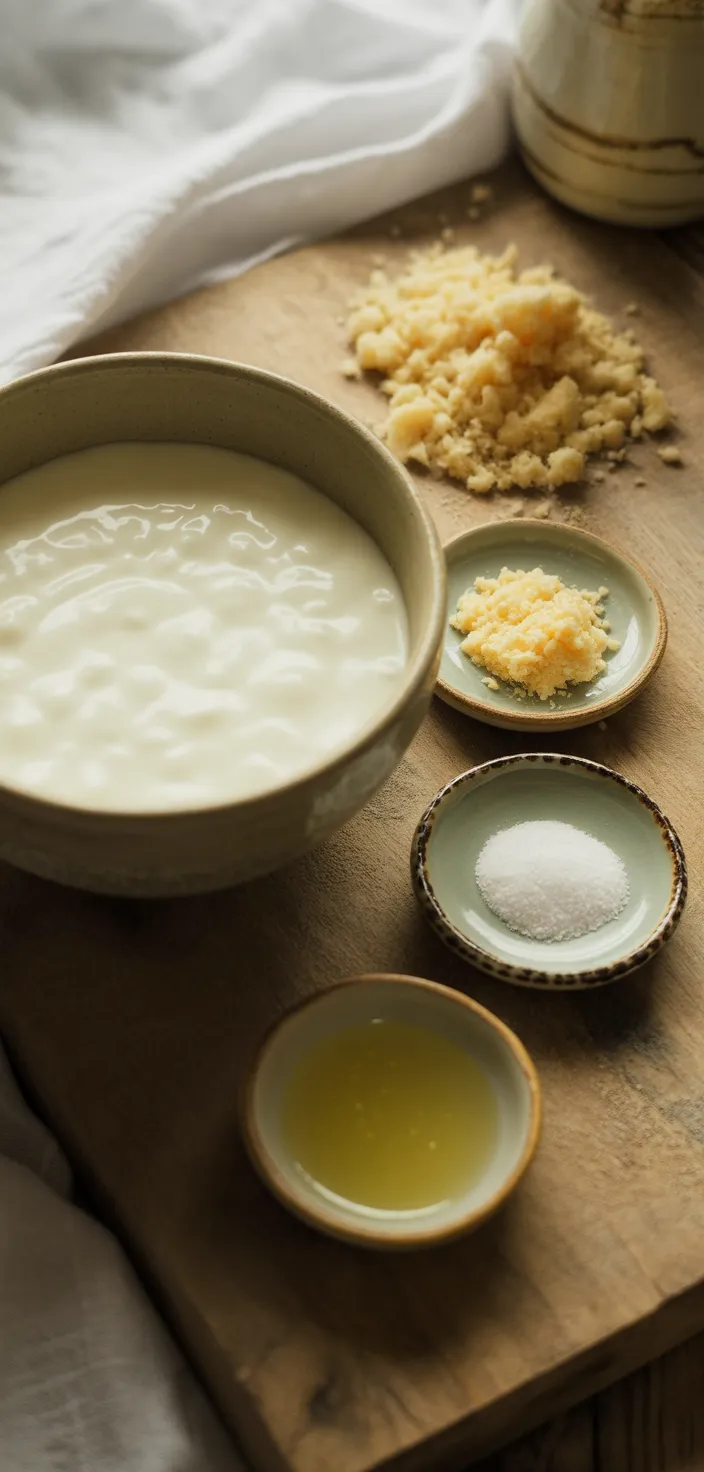
- Whole cow milk — the creamy backbone, gives texture and that milky, buttery taste.
- Mesophilic starter culture — it’s the friendly bacteria that starts curdling and adds tang.
- Calcium chloride — Basically firms up store-bought milk so curds set better, no drama.
- Liquid rennet — it’s what turns milk into curds, the quiet cheese-making hero.
- Non iodized cheese salt — adds savory punch and helps control moisture and flavor.
- Brine salt — Plus it seasons and preserves during aging, making rind taste right.
- Non chlorinated water — you’ll use it to dilute stuff without killing good bacteria.
- Cheese wax or vacuum bags — Basically protects the wheel and keeps mold at bay.
Ingredient Quantities
- 4 gallons whole cow milk, preferably pasteurized not ultra pasteurized
- 1/2 teaspoon mesophilic starter culture (eg MA4001 or MA6001)
- 1 teaspoon calcium chloride, diluted in 1/4 cup non chlorinated water (use only if milk is store bought)
- 1/2 teaspoon liquid rennet, diluted in 1/4 cup non chlorinated water
- 3 tablespoons non iodized cheese salt (plus extra for brining)
- 1 cup non iodized salt for brine
- Non chlorinated water for diluting rennet and calcium chloride
- Cheese wax or vacuum seal bags for aging
How to Make this
1. Heat 4 gallons whole cow milk to 86°F (30°C) slowly in a large pot, stirring occasionally so it does not scorch.
2. If using store bought milk add 1 teaspoon calcium chloride diluted in 1/4 cup non chlorinated water and stir it in well; wait 5 minutes.
3. Sprinkle 1/2 teaspoon mesophilic starter culture over the surface, let it rehydrate for 1 minute, then stir gently for about 1 minute to distribute. Hold at 86°F for 45 minutes to let the culture ripen the milk.
4. Dilute 1/2 teaspoon liquid rennet in 1/4 cup non chlorinated water, stir into the milk for 30 seconds, then stop stirring and cover. Let set 45 to 60 minutes until you get a clean break.
5. Cut the curd into 1/2 inch cubes, let rest 5 minutes, then slowly raise the temperature to 102°F (39°C) over 30 minutes, stirring gently and occasionally so curds heat evenly.
6. Once at 102°F hold for 30 minutes while stirring gently every 5 minutes to firm curds. Then let curds settle for 10 minutes.
7. Ladle or pour off whey until curds are about half submerged, transfer curds into cheesecloth-lined mold, press lightly to expel whey, flip once after 15 minutes.
8. Press the cheese at about 10 to 15 pounds for 2 hours, then increase to 25 to 30 pounds and press for another 2 to 3 hours until whey is minimal and the wheel is firm. Total pressing 4 to 5 hours.
9. Make brine with 1 cup non iodized salt dissolved in enough non chlorinated water to cover the cheese, chill brine to 50 to 60°F. Submerge the cheese for 6 hours, flip once halfway. After brining air dry the cheese until tacky.
10. Rub 3 tablespoons non iodized cheese salt over the rind if desired, then either wax the cheese or vacuum seal. Age at 50 to 55°F with 80 to 85 percent humidity for about 2 months, flipping once a week. Label with date and enjoy after aging.
Equipment Needed
1. Large stainless steel pot, 6 to 8 quart or bigger so 4 gallons fits without boiling over
2. Accurate long-stem milk or candy thermometer (reads 30 to 102°F reliably)
3. Long-handled spoon or heatproof spatula for stirring, and a slotted spoon or skimmer for curds
4. Measuring spoons and a 1/4 cup measuring cup for rennet and calcium chloride dilutions
5. Cheesecloth (fine weave) and a colander or strainer to line the mold
6. Cheese mold with follower, or a round food-safe mold about the desired wheel size
7. Cheese press with weights or a press that can apply 10 to 30 pounds evenly
8. Large food-safe plastic or glass container for brining, big enough to submerge the cheese
9. Wax and brush or a vacuum sealer and bags for aging, plus a fridge or cave that can hold 50 to 55°F and high humidity
Note: some things can be improvised, but the press and reliable thermometer really matter, dont skip them.
FAQ
How To Make Havarti Cheese At Home Recipe Substitutions and Variations
How To Make Havarti Cheese At Home
Intro
Havarti is a soft, semi-firm Danish cheese with a mild buttery flavor and those little eyes. Making it at home is fun and way cheaper than buying artisanal wheels. The recipe below is for about a 4 pound wheel. Read through once before you start, because timing is important.
Ingredients
- 4 gallons whole cow milk, preferably pasteurized not ultra pasteurized
- 1/2 teaspoon mesophilic starter culture (eg MA4001 or MA6001)
- 1 teaspoon calcium chloride, diluted in 1/4 cup non chlorinated water (use only if milk is store bought)
- 1/2 teaspoon liquid rennet, diluted in 1/4 cup non chlorinated water
- 3 tablespoons non iodized cheese salt (plus extra for brining)
- 1 cup non iodized salt for brine
- Non chlorinated water for diluting rennet and calcium chloride
- Cheese wax or vacuum seal bags for aging
Equipment (quick)
– Large stainless pot (at least 6 gallons)
– Cheese thermometer
– Long knife or curd cutter
– Cheese cloth and draining mat
– Cheese press or heavy weights and a clean plank
– 8 to 10 inch cheese mold
Method
1) Warm the milk
Pour milk into the pot and slowly heat to 86°F (30°C), stirring gently so the cream doesn’t stick. This takes time, be patient.
2) Add starter
Sprinkle the mesophilic starter over the surface, let it rehydrate 2 minutes, then stir gently for 1 minute to distribute. Cover and let ripen at 86°F for 45 minutes.
3) Add calcium chloride and rennet
If using store bought milk add the diluted calcium chloride and stir. Then add the diluted rennet, stir gently for 30 seconds and stop the motion. Cover and let sit undisturbed 45 to 60 minutes, until you get a clean break.
4) Cut the curd
Once set, cut the curd into 3/8 to 1/2 inch cubes. Let rest 5 minutes.
5) Cook the curd
Slowly heat to 102°F (39°C) over 30 minutes, raising temp about 2°F every 3 minutes, while stirring gently so curds don’t mat. Once at 102°F hold for 20 minutes, stirring occasionally.
6) Drain and hoop
Let curds settle, then ladle or pour into a cheesecloth-lined mold. Press at about 10-15 pounds for 15 minutes to expel whey. Flip the cheese, redress, then press at 20-30 pounds for 12 hours. You want a smooth, elastic curd with a small amount of whey expelled.
7) Salting
Remove the cheese from the press and rub 3 tablespoons non-iodized cheese salt over the surface. Let sit at room temp for a few hours.
8) Brining (optional for more flavor and rind)
Dissolve 1 cup non-iodized salt in 1 gallon of cool non-chlorinated water. Submerge the cheese for 6 to 12 hours depending on wheel size, flip halfway through. After brining, air dry the cheese on a rack until the surface is tacky and dry to touch (usually 1-3 days).
9) Aging
Coat the cheese in cheese wax or vacuum seal it. Age at 50-55°F with 80-85% humidity for at least 3 months. Havarti tastes mild at 3 months and gets nuttier with longer aging. Flip the wheel weekly.
Tips and tricks
– Don’t overheat the curds; that makes a dry crumbly cheese. Keep slow and steady.
– If you get a weak curd, add a little more rennet next time or check your rennet potency.
– Keep everything very clean. Small contamination ruins a whole batch.
– If you want small eyes in the cheese, handle the curds gently when transferring to the mold. Too vigorous stirring stops eye formation.
– Label the wheel with the date, you’ll forget how long it’s aged.
Substitutions
- Milk: use legal raw whole cow milk if you want richer flavor, or organic whole pasteurized milk if raw is not allowed
- Mesophilic starter: use 1/4 cup plain yogurt with live cultures in a pinch, but flavor and texture will vary
- Liquid rennet: substitute vegetarian tablet rennet (dissolve per packet instructions) or powdered rennet diluted in water
- Non iodized cheese salt: kosher salt or fine sea salt can be used, but weigh it to match saltiness since crystal sizes differ
There you go. It takes time but it’s a super satisfying project. Enjoy the process, and don’t be afraid to tinker on the next wheel.
Pro Tips
1. Use a thermometer you trust and check it in a pot of water first, because if your temps are off the culture and the rennet wont behave right. I usually have to poke the probe in different spots since big pots have hot spots, and stir gently while checking.
2. If your milk is store bought, dilute that calcium chloride well and mix it in before the starter. It really helps the curd form tighter and prevents a floppy cheese. Don’t skip it unless you got unpasteurized farm milk.
3. When cutting and stirring curds be gentle but consistent. Overworking them makes them tough, underworking leaves them too soft. I set a timer for the heating interval so i don’t get distracted and over-stir.
4. Drying, brining and aging control the flavor more than people think. Make sure your brine is chilled and your humidity is steady. If your aging spot is a little dry, wrap the wheel lightly in waxed paper for a day or two to avoid cracks, then go back to your regular aging method.
How To Make Havarti Cheese At Home Recipe
I made Havarti at home and after two months of aging it emerged as a silky, subtly tangy cheese that slices and melts with a richness that refuses to stay in the fridge without being devoured.
12
servings
504
kcal
Equipment: 1. Large stainless steel pot, 6 to 8 quart or bigger so 4 gallons fits without boiling over
2. Accurate long-stem milk or candy thermometer (reads 30 to 102°F reliably)
3. Long-handled spoon or heatproof spatula for stirring, and a slotted spoon or skimmer for curds
4. Measuring spoons and a 1/4 cup measuring cup for rennet and calcium chloride dilutions
5. Cheesecloth (fine weave) and a colander or strainer to line the mold
6. Cheese mold with follower, or a round food-safe mold about the desired wheel size
7. Cheese press with weights or a press that can apply 10 to 30 pounds evenly
8. Large food-safe plastic or glass container for brining, big enough to submerge the cheese
9. Wax and brush or a vacuum sealer and bags for aging, plus a fridge or cave that can hold 50 to 55°F and high humidity
Note: some things can be improvised, but the press and reliable thermometer really matter, dont skip them.
Ingredients
-
4 gallons whole cow milk, preferably pasteurized not ultra pasteurized
-
1/2 teaspoon mesophilic starter culture (eg MA4001 or MA6001)
-
1 teaspoon calcium chloride, diluted in 1/4 cup non chlorinated water (use only if milk is store bought)
-
1/2 teaspoon liquid rennet, diluted in 1/4 cup non chlorinated water
-
3 tablespoons non iodized cheese salt (plus extra for brining)
-
1 cup non iodized salt for brine
-
Non chlorinated water for diluting rennet and calcium chloride
-
Cheese wax or vacuum seal bags for aging
Directions
- Heat 4 gallons whole cow milk to 86°F (30°C) slowly in a large pot, stirring occasionally so it does not scorch.
- If using store bought milk add 1 teaspoon calcium chloride diluted in 1/4 cup non chlorinated water and stir it in well; wait 5 minutes.
- Sprinkle 1/2 teaspoon mesophilic starter culture over the surface, let it rehydrate for 1 minute, then stir gently for about 1 minute to distribute. Hold at 86°F for 45 minutes to let the culture ripen the milk.
- Dilute 1/2 teaspoon liquid rennet in 1/4 cup non chlorinated water, stir into the milk for 30 seconds, then stop stirring and cover. Let set 45 to 60 minutes until you get a clean break.
- Cut the curd into 1/2 inch cubes, let rest 5 minutes, then slowly raise the temperature to 102°F (39°C) over 30 minutes, stirring gently and occasionally so curds heat evenly.
- Once at 102°F hold for 30 minutes while stirring gently every 5 minutes to firm curds. Then let curds settle for 10 minutes.
- Ladle or pour off whey until curds are about half submerged, transfer curds into cheesecloth-lined mold, press lightly to expel whey, flip once after 15 minutes.
- Press the cheese at about 10 to 15 pounds for 2 hours, then increase to 25 to 30 pounds and press for another 2 to 3 hours until whey is minimal and the wheel is firm. Total pressing 4 to 5 hours.
- Make brine with 1 cup non iodized salt dissolved in enough non chlorinated water to cover the cheese, chill brine to 50 to 60°F. Submerge the cheese for 6 hours, flip once halfway. After brining air dry the cheese until tacky.
- Rub 3 tablespoons non iodized cheese salt over the rind if desired, then either wax the cheese or vacuum seal. Age at 50 to 55°F with 80 to 85 percent humidity for about 2 months, flipping once a week. Label with date and enjoy after aging.
Notes
- Below you’ll find my best estimate of this recipe’s nutrition facts. Treat the numbers as a guide rather than a rule—great food should nourish both body and spirit. Figures are approximate, and the website owner assumes no liability for any inaccuracies in this recipe.
Nutrition Facts
- Serving Size: 125g
- Total number of serves: 12
- Calories: 504kcal
- Fat: 41.4g
- Saturated Fat: 26.4g
- Trans Fat: 1.6g
- Polyunsaturated: 0.5g
- Monounsaturated: 12.5g
- Cholesterol: 131mg
- Sodium: 776mg
- Potassium: 123mg
- Carbohydrates: 1.6g
- Fiber: 0g
- Sugar: 0.6g
- Protein: 31.1g
- Vitamin A: 331IU
- Vitamin C: 0mg
- Calcium: 901mg
- Iron: 0.3mg